Discover the fascinating world of “live off her favor” — a phrase that encapsulates complex social and personal dynamics, often reflected in literature, media, and real life. Whether admired or scrutinized, this phenomenon touches on themes of dependency, gender roles, desire, and societal expectations. In this article, we delve deeply into what it means to live off her favor read online free, exploring its psychological roots, ethical implications, portrayal across different media, and its impact on individual relationships and societal structures.
The Allure of “Live Off Her Favor”: Exploring the Phenomenon
The phrase “live off her favor” evokes a compelling image of reliance on another person’s goodwill, often within romantic, social, or economic contexts. This idea isn’t confined to fiction; it resonates with real-world experiences where individuals depend on others for financial support, emotional validation, or social standing. The appeal lies in the comfort of dependence—avoiding hardship through the grace of someone else’s generosity—yet it simultaneously invites questions about autonomy and self-worth. When one reads about such scenarios live off her favor read online free, there’s an allure rooted in escapism, curiosity, and the exploration of power dynamics that influence human relationships on many levels.
This phenomenon often becomes romanticized in stories where vulnerability and dependency are intertwined with love and loyalty. The notion that someone might willingly support another—and that this support can transform into mutual affection—creates a complex, sometimes compelling narrative. Such narratives challenge our understanding of independence, suggesting that human interactions aren’t solely based on fairness but also on emotional exchanges and societal expectations. As social norms evolve, the allure of living off her favor reflects both an appealing fantasy and a cautionary tale about reliance, trust, and personal agency.
comic manga website
 Hình minh họa: live off her favor read online free – comic manga website
Decoding “Live Off Her Favor”: Understanding the Motives and Dynamics
At its core, live off her favor read online free often unveils a web of motives comprising vulnerability, admiration, greed, or strategic dependency. For some, the allure might be rooted in genuine affection—an exchange where emotional intimacy belies the transactional aspect. Others might see it through a pragmatic lens, viewing dependence as a means to stability or social mobility. The underlying power dynamics are delicate: the person living off her favor may experience gratitude, guilt, or entitlement, while the benefactor might grapple with feelings of control, obligation, or compassion. Deciphering these motives requires understanding that relationships are multifaceted—neither simply wholesome nor entirely exploitative.
Practically, these relationships often manifest in scenarios where gender roles, economic disparities, or social hierarchies are at play. Women supporting male partners financially, for instance, can be driven by love but also by cultural expectations or economic necessity. Conversely, men may seek such dependence due to societal pressure to demonstrate masculinity through provision. Recognizing these underlying dynamics prompts us to question not just the superficial interaction but also the societal norms that shape such dependencies, revealing a landscape where personal choice intertwines with systemic influences.
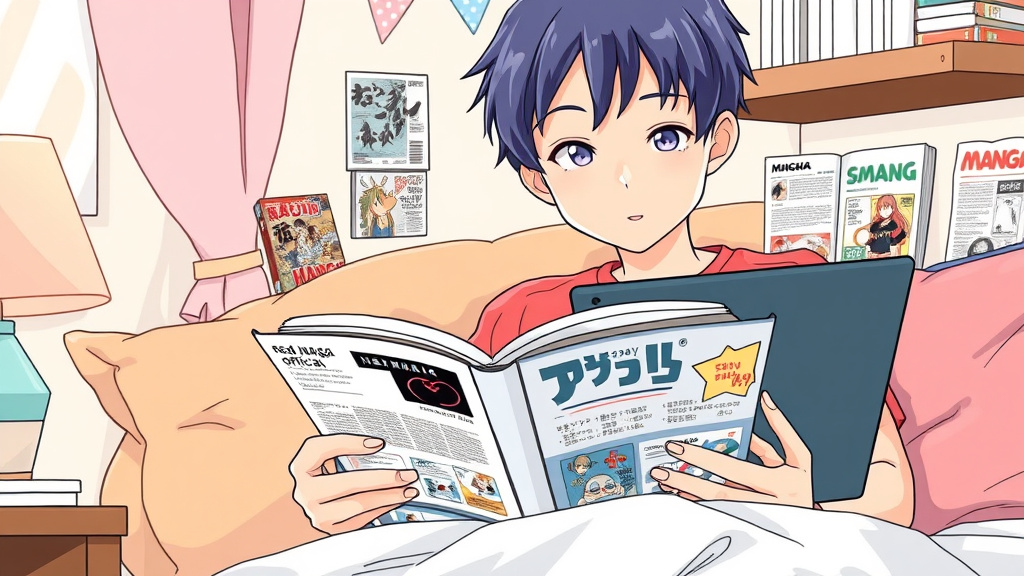
“Live Off Her Favor” Read Online Free: Navigating the Digital Landscape
In the digital age, accessing content related to “live off her favor” has become remarkably easy through online platforms offering free reads. These platforms not only provide entertainment but also foster community discussions and nuanced explorations of dependency stories that resonate with many readers globally. The convenience of live off her favor read online free allows audiences to engage with diverse narratives—from romantic dramas to psychological thrillers—that explore the complex interplay between dependence and independence. The accessibility of this content encourages a broader conversation about human needs, societal expectations, and emotional vulnerabilities.
However, navigating this online landscape also raises questions about the authenticity and impact of such content. While stories offer entertainment or catharsis, they might also reinforce stereotypes or glamorize unhealthy dependency. Critical engagement becomes essential—questioning the portrayal of power imbalances, ethical boundaries, and the emotional consequences. As readers immerse themselves in these narratives, they must reflect on how these stories influence their perceptions of relationships and dependence in real life, recognizing both their entertainment value and potential societal implications.
Ethical Considerations of “Live Off Her Favor”: A Critical Analysis
The ethics surrounding relationships where one lives off her favor are complex and often controversial. On one hand, mutual support in relationships is natural—sharing resources, skills, and emotional support strengthens bonds. On the other hand, dependency can slide into exploitative territory if boundaries are blurred or if one party feels coerced or undervalued. The ethical dilemma intensifies when financial or emotional reliance becomes unequal or unbalanced, raising questions about consent, manipulation, and fairness. When exploring stories that live off her favor read online free, it’s vital to consider the moral implications behind these relationships, emphasizing respect, autonomy, and mutual benefit.
Furthermore, societal norms often influence perceptions of such dependencies, framing them either as romantic or as problematic forms of exploitation. Ethical analysis urges us to scrutinize the intentions behind dependency—are they rooted in genuine affection or driven by desperation, control, or societal pressure? Respecting personal agency while acknowledging systemic factors plays a critical role in addressing these issues. Ultimately, fostering open dialogue about the boundaries of dependency and the importance of equality can create more ethical frameworks for understanding these complex relationships.
“Live Off Her Favor”: Examining Gender Roles and Power Imbalances
Gender roles significantly shape how dependency and support are perceived within relationships described as live off her favor. Historically, societal expectations have placed women in nurturing, supportive roles, while men are expected to be providers or utilitarian figures in romantic pairings. This script often creates imbalances where women might be financially or emotionally supporting male partners, unintentionally reinforcing traditional stereotypes. Analyzing this dynamic reveals how gendered expectations influence individual choices and societal perceptions, often dictating who is positioned as the supporter and who is the recipient of support.
These roles perpetuate power imbalances—one party may wield control over material resources or emotional affirmation, leading to vulnerabilities or manipulations. Societal pressure to conform to traditional gender norms amplifies these issues, prompting critical conversations about gender equality and the shifting landscape of support roles. Examining live off her favor stories through this lens invites us to question whether such dependencies challenge or uphold societal structures and whether they can evolve toward more equitable relationships where support is based on mutual respect rather than gendered expectations.
The Psychology Behind “Live Off Her Favor” – Needs, Desires, and Relationships
Understanding the psychology behind live off her favor involves exploring deeply rooted human needs and emotional drivers. Dependence on another’s favor often stems from a desire for security, validation, or belonging—fundamental human needs that, when unmet, can lead individuals to seek support in unconventional ways. These relationships serve emotional functions that go beyond material support; they fulfill subconscious desires to feel loved, valued, or in control. Analyzing this from a psychological perspective reveals the inner conflicts and motivations that sustain such dependencies, whether rooted in past trauma, attachment styles, or societal conditioning.
The inner workings of these relationships are also marked by complex feelings of guilt, gratitude, shame, or entitlement. Such emotional states influence decision-making and can create a cycle where dependence becomes ingrained or difficult to break. Recognizing these psychological factors not only helps in understanding individual behavior but also emphasizes the importance of addressing underlying emotional needs to foster healthier, more autonomous relationships. This insight encourages a compassionate approach—viewing dependency as a manifestation of deeper human struggles rather than mere manipulation or weakness.
From Page to Screen – The Portrayal of “Live Off Her Favor” in Literature and Media
The narrative of live off her favor has been vividly portrayed across literature, television, and film, often dramatized to reveal the tensions and vulnerabilities inherent in such relationships. Literature allows for a nuanced exploration of characters’ inner motives, ethical dilemmas, and societal influences, providing readers with a window into complex emotional landscapes. Media adaptations, meanwhile, tend to amplify these stories’ emotional stakes through visual storytelling, dramatization, and character development, making the theme more accessible and engaging.
These portrayals influence societal perceptions, shaping our understanding of dependency—either romanticizing it or casting it as problematic. For instance, romantic dramas may portray dependency as a pathway to true love, while thrillers explore the darker sides of manipulation and control. The power of storytelling, in both written and visual forms, lies in its ability to evoke empathy, challenge stereotypes, and provoke debate that extends into real-life perceptions. Analyzing these portrayals encourages viewers and readers to critically assess both the romanticized and cautionary aspects of such relationships.
Is “Live Off Her Favor” Sustainable? Long-Term Consequences and Alternatives
Sustainability in relationships characterized by dependency raises questions about long-term viability and emotional health. While dependency can provide short-term security, it risks creating an imbalance that hampers growth, independence, and mutual fulfillment over time. When individuals rely excessively on another, they might neglect developing their skills, self-esteem, and personal goals, leading to stagnation or resentment. It’s crucial to explore whether such arrangements can evolve into more reciprocal or autonomous partnerships or if they inevitably lead to emotional exhaustion or manipulation.
Alternatives to dependence should focus on fostering independence alongside support, encouraging personal growth, and building relationships grounded in mutual respect and equal contribution. Encouraging communication, setting boundaries, and promoting self-reliance are key strategies that can transform dependency from a fixed state into an evolving dynamic of shared support. Ultimately, sustainable relationships thrive on balance—support that uplifts without overshadowing individuality, ensuring that both parties can flourish personally and emotionally.
“Live Off Her Favor” and Financial Dependence – A Societal Perspective
On a societal level, relationships where one lives off her favor reflect larger issues related to economic inequality, gender roles, and cultural expectations. For many, financial dependence isn’t merely personal but a systemic issue—poverty, lack of opportunities, and gender discrimination often limit choices. Understanding this context reveals how societal pressures and structural barriers influence individual behaviors and relationship dynamics. Consequently, what appears as dependence might be rooted in a survival strategy amidst socioeconomic constraints.
Addressing these issues requires societal change—improving access to education, promoting gender equality, and creating economic opportunities. Recognizing that dependency can stem from systemic failures rather than individual shortcomings encourages a compassionate and holistic approach. Such societal shifts can help foster healthier relationships where support is voluntary, equitable, and genuine, rather than driven by necessity or systemic oppression.
Beyond the Narrative – Discussing the Real-World Implications of “Live Off Her Favor”
While stories about live off her favor might seem romantic or dramatic, their real-world implications are profound. Dependency relationships can influence societal perceptions of gender, independence, and morality, shaping cultural norms and influencing individuals’ decisions. These narratives can normalize or stigmatize reliance in ways that affect personal choices, self-esteem, and social standing. Moreover, understanding the underlying causes of dependency—economic, psychological, or cultural—can inform better support systems and policy interventions.
The broader societal conversation should focus on empowering individuals, promoting economic independence, and fostering relationships based on equality and mutual respect. Recognizing the complexities beneath stories of dependency helps us address underlying issues and promote healthier, more equitable interactions. As we reflect on the narratives we consume and share, we must consider their influence on collective values and strive toward building a society where support is empowering rather than oppressive.
Conclusion
The phenomenon of live off her favor encapsulates a wide-ranging set of social, psychological, and ethical issues, reflecting both personal desires and societal structures. From exploring its psychological roots to examining media portrayals and societal implications, this multifaceted concept challenges us to think critically about dependency, gender roles, and long-term relationship sustainability. As content accessible online—including live off her favor read online free—continues to depict these themes, it prompts ongoing conversations about empowerment, autonomy, and the dynamics that shape human connections. Ultimately, understanding this complex phenomenon can foster healthier relationships and a more equitable society, grounded in genuine support and mutual respect.
English language.

